As cashless payment trials continue across Australian venues, the way players fund sessions is shifting from physical notes and coins to integrated digital wallets. pokies venue cashless australia is less a novelty now and more a practical question about how a player actually moves money, verifies identity, and starts a session without friction. I have watched regional operators trial tap-and-go top-ups alongside loyalty-linked balances, and the experience tends to hinge on venue policy, state rules, and how quickly a player can complete a first deposit without losing momentum.
Signing up and proving who you are
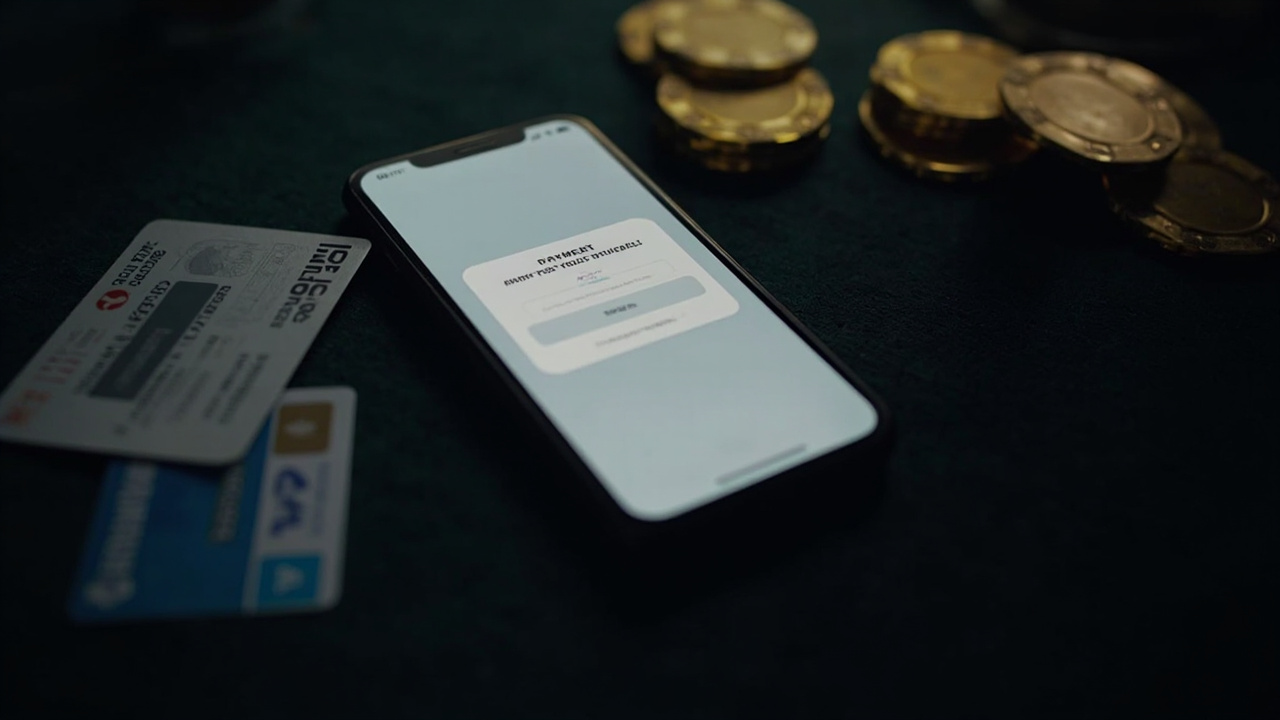
Registration rarely begins with a spin. A player usually creates an account through a venue-linked app or a partner platform, entering an email, mobile number, and basic identity details before any balance is available. Eligibility is straightforward on paper: you must be 18 or older, and the operator will ask for proof before the first deposit clears. In practice, verification is where the process either moves quickly or stalls, especially for players who have changed names, addresses, or banks recently.
I have compared this to the way a Darwin pub handles a new membership card at the bar – the paperwork is light, but the operator still needs a match on file before access opens. A short quote from Noah O’Brien, Managing Partner, Southern Reef Gaming, captures the practical tension: “Verification should feel like a routine checkpoint, not a wall, because a player who loses patience at the first deposit is a player who leaves the venue mentally before they ever press play.” For a first session, that means having a driver licence or passport ready, a clear photo of the document, and a billing address that matches what the operator holds.
Funding the balance and activating the first offer
Once identity is confirmed, the balance stage is where cashless setups diverge from the old note-in-the-slots routine. A player typically chooses a payment path – card, digital wallet, or a venue-linked prepaid balance – then sets a top-up amount and confirms the transaction. The operator’s side usually applies a pending hold until the payment clears, which is why the first deposit can take a few minutes rather than appearing instantly on every platform.
Bonus activation follows the same logic as any other terms-based offer: read the trigger, check the play-through, and note the currency and any minimum game contributions. I reckon the most common mistake is treating a welcome credit like free money rather than a conditional balance with a set of rules attached. A player who wants a sensible first session will check the wagering requirement, the game weighting, and the time window before activating, then start with a modest bet size that fits the balance rather than chasing the bonus ceiling. If a platform leans on crypto-adjacent options, the same caution applies – read the local guidance on handling digital coins carefully, because settlement timing and volatility can affect how a balance actually behaves in play.
The first session and keeping control in a busy venue
The first play is usually the moment where a player tests the interface, the bet controls, and the balance display without making the session expensive. A practical approach is to pick one game, set a session limit, and watch how the balance responds to a small number of spins before deciding whether the pace suits the player. Cashless venues often display a running total that updates with each transaction, which can make it easier to see money moving in and out, but it does not remove the need for a limit. Dogecoin pokies in Australia: how to
Australian context matters here. In states where electronic gaming machines sit inside licensed venues rather than online casinos, the experience is still tied to venue rules, staff oversight, and responsible gambling tools that may include pre-commitment, timeouts, or self-exclusion. A Darwin afternoon session can feel very different from a busy Sydney club on a Saturday arvo, and the same player can behave differently depending on noise, crowd, and how long they stay at the machine. I have seen players treat a visible balance as a cue to keep going rather than a cue to stop, which is exactly why a written limit before the first spin is worth more than a vague intention. big red free pokies
Mobile habits, loyalty, and where the system still frustrates
Mobile use has changed how many Australians interact with venue-based play, even where the machines themselves remain on the floor. A player might check a balance, top up, or review history from a phone between sets at the local, then return to the machine with a funded balance already in place. Loyalty features often sit alongside that flow, rewarding visits or spend tiers with credits, meals, or venue perks that are separate from the gaming balance itself.

The friction points are usually practical rather than dramatic. A payment can fail because of a bank block, a verification mismatch, or a venue system that has not fully synced with the app. Support quality matters most in those moments, because a slow response can turn a minor delay into a lost session. I have compared a well-run venue app to a good club Membership desk – when it works, it is almost invisible, and when it does not, the player notices immediately. For anyone testing a cashless setup, the sensible move is to start small, keep a record of the deposit path, and treat the first few sessions as a check on how the balance, support, and limits actually behave before committing more time or money.