
If you have ever stood at a pub counter in Penrith or walked past a row of machines in Bankstown, you know the pull of a quick spin. The question of how long should you play pokies per session is less about finding a magic number and more about keeping your bankroll intact while the reels do their work. I have spent years tracking odds, margins and the way punters manage their money across football and racing, and the same discipline applies here: set a window, stick to it, and treat the clock as part of your staking plan rather than a suggestion to chase losses.
Reading the Clock Against the Machine
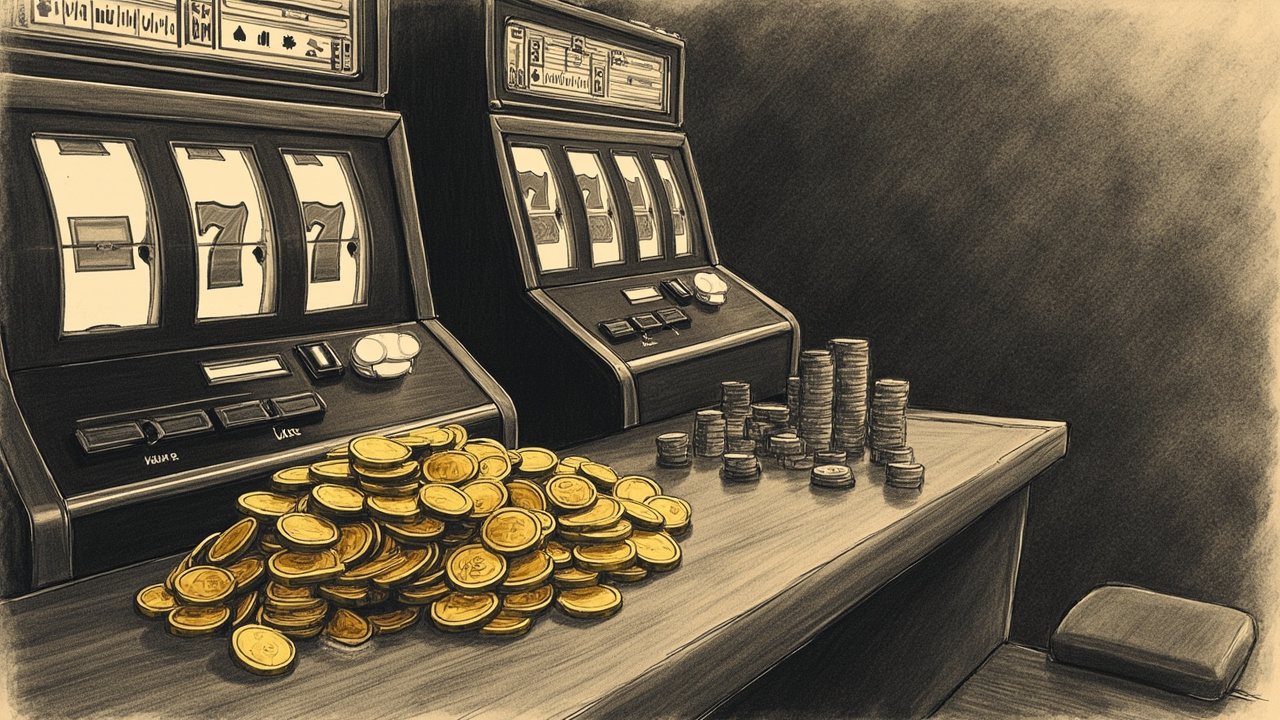
Most Australians treat a pokie session like a casual arvo at the local, but the maths underneath is unforgiving. The return-to-player figures are calculated over millions of spins, which means a twenty-minute burst can finish well above or well below expectation purely by chance. That reality is why seasoned punters think in terms of a hard stop rather than a soft intention. When you decide how long should you play pokies per session, you are really deciding how much variance you are prepared to absorb before walking away. I have seen plenty of players lose discipline after a couple of near misses, and the ones who keep their heads usually treat time the same way they treat a fixed betting limit on a race day. If you are weighing up a plinko machine into high volatility peg setups, the same principle holds: the longer you stay in, the more the underlying volatility has room to swing, so a shorter, defined window often suits a tighter bankroll better than an open-ended run.
That variance is precisely why some punters start hunting for games where the risk profile can be tweaked on the fly. If you want to swap a standard pokies layout for a plinko machine into high volatility peg setups, you can find the technical breakdowns at https://plinko-machine-au.com/. Just remember that cranking up the volatility doesn’t change the house edge – it just makes the ride a lot bumpier before the maths inevitably catches up.
Session Length in Practice
Setting a stop time that matches your bankroll
The first step is to tie your clock to a dollar figure you are comfortable losing, not to a feeling you hope will change. Work out a session budget, divide it by the spin cost you plan to use, and let that give you a rough floor for how long you can reasonably expect to play before variance runs dry. I reckon a lot of punters overcomplicate this by chasing a particular win target, but the cleaner approach is to treat the clock as a boundary, not a promise. If your last ten spins have not moved the needle, a hard stop keeps a bad run from turning into a bad night. That discipline is the same mindset I apply when reading a horse’s form: you do not keep pressing a weak chance just because you have already backed it.
Volatility, spin cost and the rhythm of a run
Not every machine rewards the same pace, and the spin value you choose changes how a session feels as the minutes tick by. Lower denomination play tends to stretch a bankroll and gives you more room to sit through dry patches, while higher stakes compress everything into a shorter, sharper run. Industry analysts I have spoken to over the years often point out that players who match their session length to the volatility they are actually sitting in tend to report better control than those who simply ride the machine until the coins run out. The disagreement is fair enough: some operators argue that a relaxed, longer session is fine so long as the limits are set, while responsible gambling voices push for shorter, pre-committed windows to keep impulse play in check. Both sides have a point, and the honest call is that your own tolerance for swings matters more than any fixed rule.
Breaks, distractions and the local pub environment
The surroundings matter more than most people admit, especially in busy venues where a drink, a chat, or a footy highlight on the wall can quietly stretch a session past its intended end. Western Sydney venues on a weekend can be packed as, and that atmosphere makes it easy to lose track of time even when you started with a clear plan. A short break every twenty or thirty minutes is not about resetting the machine’s odds, which do not care about your coffee, but about giving yourself a genuine moment to check whether you are still playing to your original limit. I have watched plenty of mates turn a tidy session into a messy one simply because they forgot to step back and read the room. A quick walk, a glass of water, and a clear look at your remaining balance usually tell you more than any gut feeling.
Who This Session Approach Suits Best
A time-bound session approach works best for players who want entertainment with a clear ceiling rather than someone hunting a big hit over hours on end. If you prefer a controlled, predictable run where the main goal is to enjoy the spins without letting a bad patch eat into the rest of your night, then setting a stop time and a budget before you sit down is a sensible fit. It is less suited to players who are deliberately chasing long, high-variance sessions in the hope of a late swing, because those runs require a different kind of bankroll and a higher tolerance for drawdowns. The honest verdict is that a defined session suits the majority of casual punters who treat pokies as paid entertainment, provided they are willing to respect the clock they set at the start.

The real takeaway is straightforward: decide your window before you press the first button, keep your spin cost aligned with the bankroll you brought, and step away when the time is up even if the reels have not done what you hoped. That is the same kind of discipline I see in punters who stay in the game for years rather than blowing up on a single bad weekend.